Home › Our latest news › Traffic Study : Why Measure Traffic Flow ?


Traffic flow refers to the movement of vehicles on a road network. It describes how cars, trucks, and other vehicles travel in terms of speed, volume, and density over time.
Accurate measurement of traffic flow is a fundamental aspect of modern urban planning and transportation management. By capturing detailed data on vehicle counts, speed, and movement patterns, traffic engineers and city planners gain critical insights into how roads are used.
This information is essential for making informed decisions that affect the efficiency, safety, and overall functionality of transportation systems.
Real-time traffic flow measurement allows traffic management centers to respond dynamically to changing conditions. By monitoring congestion levels, incidents, and travel times, authorities can adjust signal timings, manage traffic diversions, and deploy resources more effectively.
This adaptive approach not only reduces delays but also helps maintain smooth traffic flow during peak hours and special events.
Traffic flow data plays a key role in infrastructure planning by highlighting areas that are approaching or exceeding capacity. Planners can identify bottlenecks, assess the need for additional lanes, and evaluate the potential impact of new roadways or public transit projects.
This evidence-based planning ensures that investments are targeted where they are most needed, optimizing the use of public funds and minimizing disruption during construction.
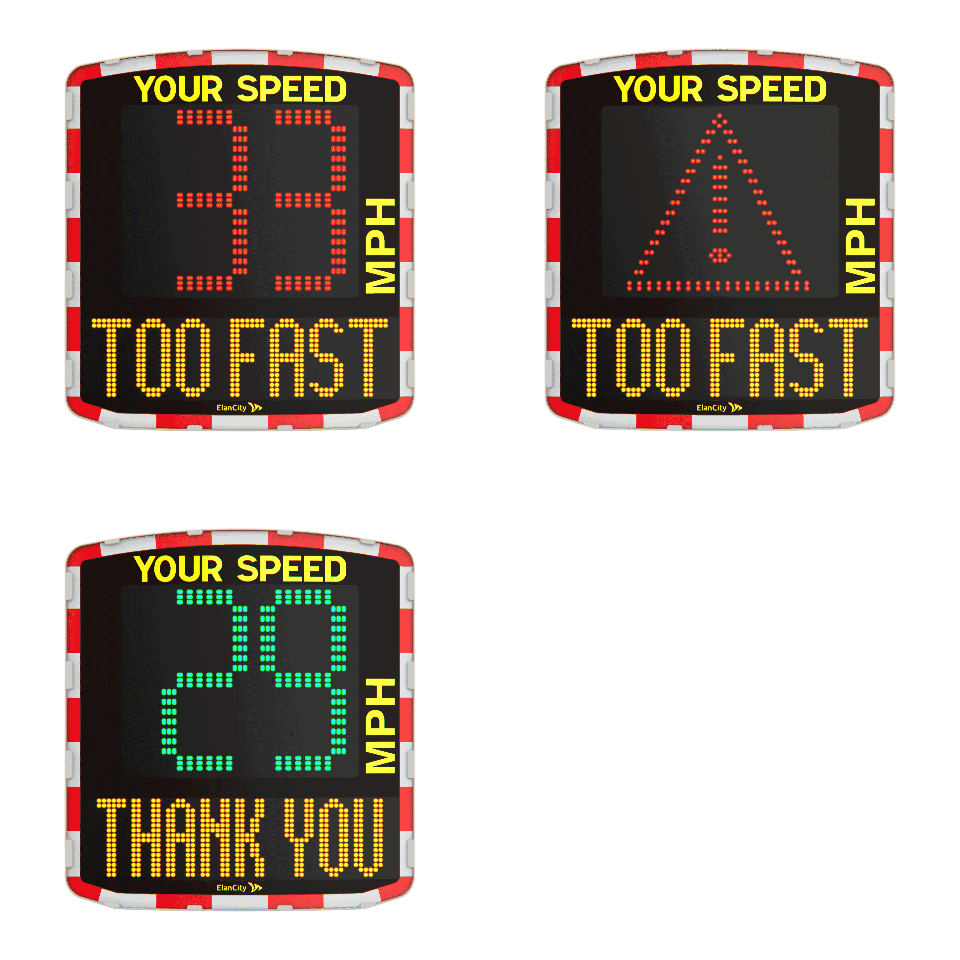
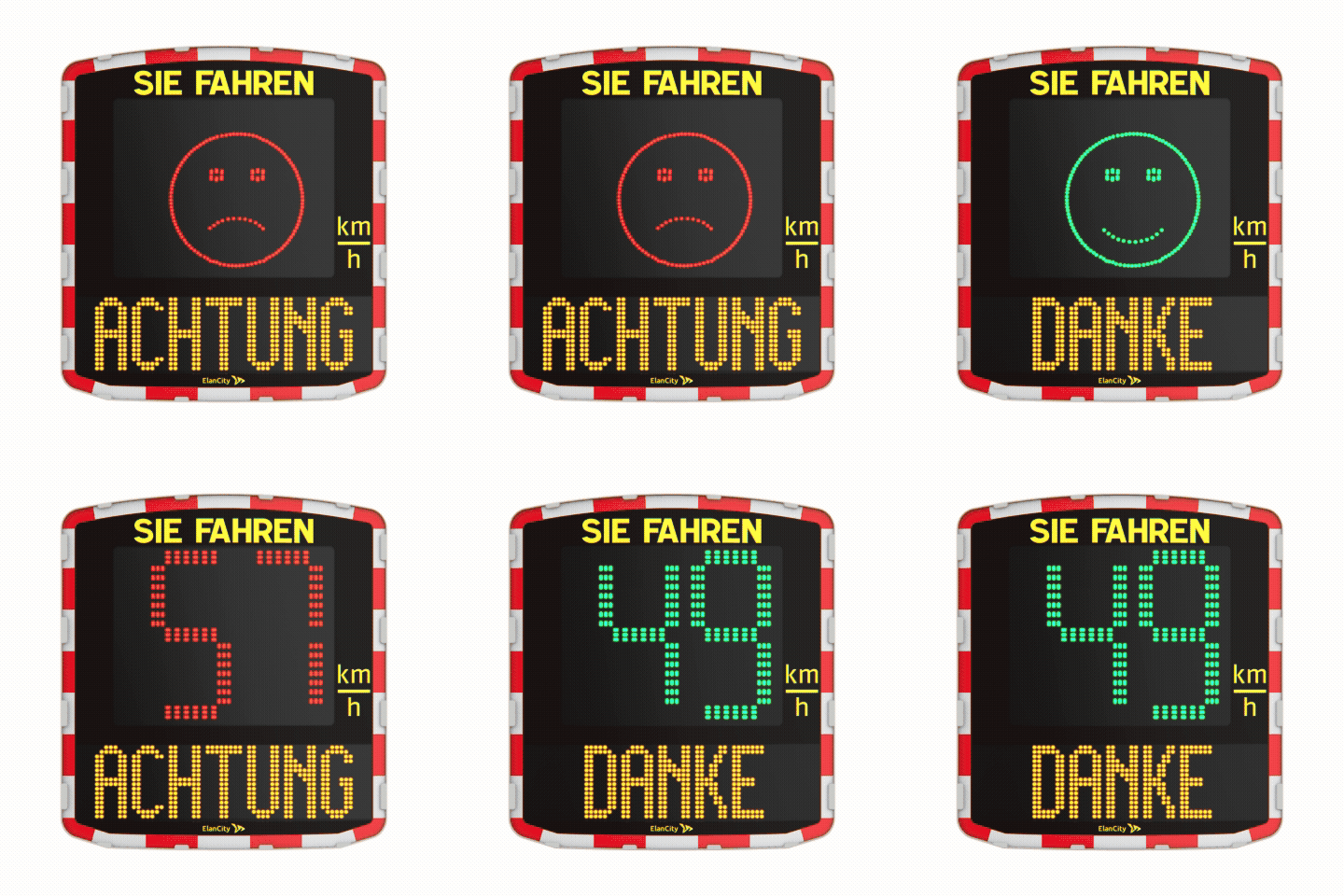
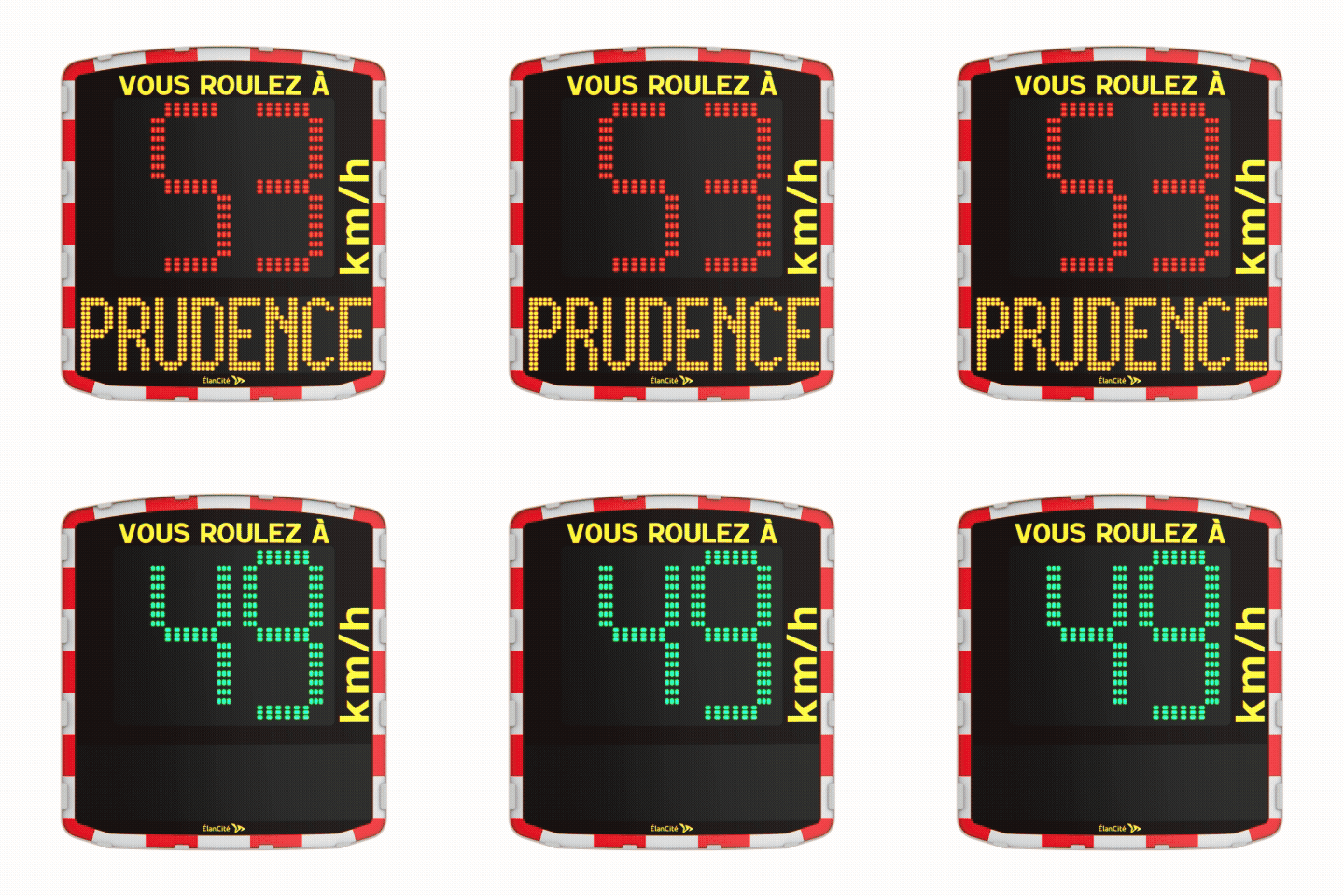
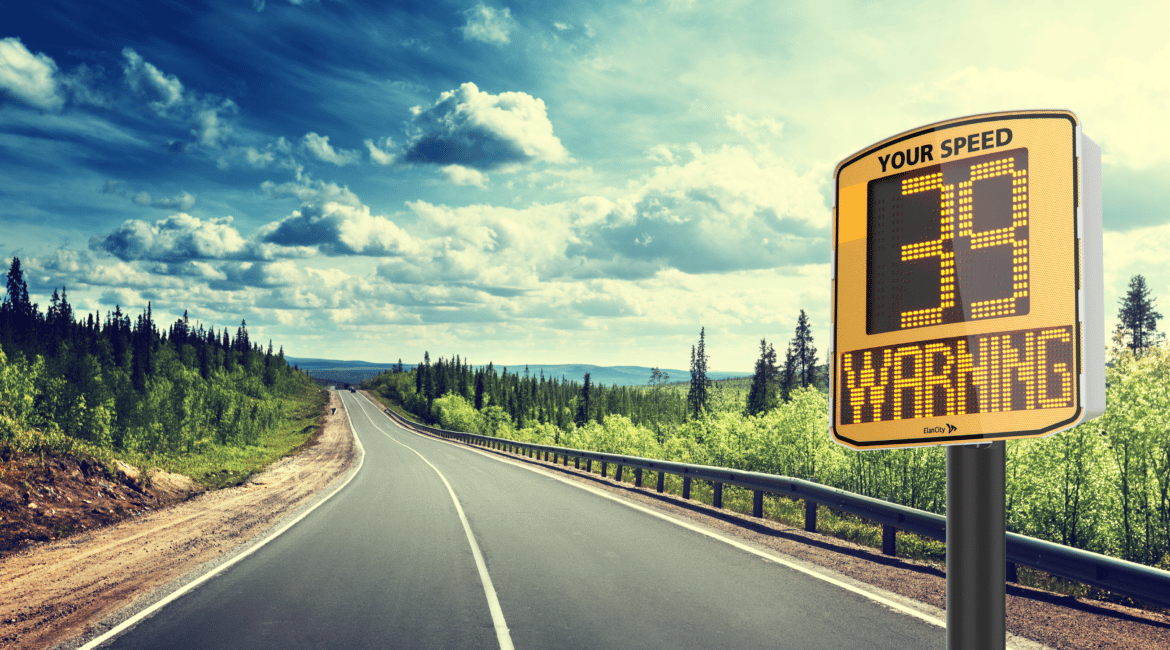
Measuring traffic flow also contributes to improving road safety. By analyzing patterns of speed, vehicle density, and driver behavior, safety engineers can identify high-risk locations and implement targeted measures such as improved signage, signal optimization, or changes in road design. Tools like a radar speed sign can further encourage drivers to comply with speed limits, reducing accident risks in critical areas.
Continuous monitoring further allows cities to evaluate the effectiveness of these interventions and make adjustments to enhance safety for all road users.
Accurate assessment of traffic flow lies at the heart of planning, operations, and safety improvements in transportation networks. Over the years, engineers and planners have developed a range of methods—from simple manual counts to sophisticated sensor networks—to capture how vehicles move through roadways. These tools provide critical data on volumes, speeds, densities, and sometimes even vehicle types, enabling practitioners to understand congestion patterns and evaluate the effectiveness of infrastructure changes.
Manual traffic counts represent one of the oldest and still widely used methods for measuring traffic flow, particularly for short-term studies or locations where installing permanent equipment is impractical. In this method, human observers record vehicles at specific points over a defined period, using tally sheets, handheld clickers, or electronic devices.
Observers can collect fine-grained details such as vehicle classification, turning movements at intersections, and even pedestrian or bicycle activity that may be difficult for some automated systems to distinguish reliably. However, manual counts are labor-intensive, subject to observer fatigue and error, and typically limited in duration and coverage.
Automated traffic counts, in contrast, rely on electronic or sensor-based systems that continuously or periodically record vehicle passage without constant human presence. These systems are well suited for long-term monitoring, such as collecting annual average daily traffic (AADT) data, and for high-volume or high-speed roadways where manual counting would be unsafe or impractical. Common automated approaches include pneumatic tubes stretched across the roadway, inductive loops embedded in the pavement, and advanced video or radar systems.
While automated methods improve consistency and coverage, they must still be carefully calibrated and periodically validated against manual counts or other reference data to ensure accuracy, especially for classification and turning-movement counts.
Modern traffic flow measurement increasingly depends on a suite of advanced data collection technologies that can operate continuously and provide richer information than simple counts. Inductive loop detectors, embedded in the roadway, detect changes in an electromagnetic field when vehicles pass overhead, allowing for vehicle presence, speed, and basic classification.
Pneumatic and piezoelectric sensors, installed on or just below the pavement surface, register pressure or voltage changes as tires roll over them, providing robust counts and sometimes speed estimates.
Non-intrusive technologies such as radar, microwave, LiDAR, and various infrared or acoustic sensors are mounted roadside or overhead and detect vehicles without physical contact with the road. These systems are attractive where pavement cutting is undesirable or costly, and they can track multiple lanes simultaneously.
Video image detection has become especially powerful thanks to computer vision and AI, enabling cameras to not only count vehicles but also classify them, estimate speeds, and analyze queue lengths and gap acceptance behaviors. Together, these technologies allow agencies to build detailed traffic flow profiles, support real-time traffic management, and validate or refine traffic models and simulation scenarios.
Across the globe, cities and transportation agencies have leveraged modern traffic flow measurement tools to transform how they manage congestion and improve safety. By converting raw sensor, loop detector, camera, and emerging IoT data into actionable insights, these organizations have lowered travel times, reduced incident risk, and enhanced the everyday mobility experience for residents and commuters alike.
In dense urban environments, where blockage cascades quickly and every intersection matters, precise traffic flow measurement has proven decisive. Several mid-sized U.S. cities, for example, have used advanced analytics platforms to process loop and camera data, allowing them to identify chronic bottlenecks and validate citizen complaints with exact speed and volume metrics.
One city reported a marked reduction in traffic-related complaints after implementing a centralized dashboard that enabled rapid response to localized speeding hotspots and targeted traffic-calming measures.
Another notable example is Kansas City, Missouri, which integrated a range of IoT sensors and real-time analytics into its downtown core. By continuously monitoring vehicle queues, pedestrian crossings, and transit movements, the city’s traffic operations center was able to dynamically adjust signal timing across key corridors.
The result was a measurable drop in average intersection delay and a smoother flow of vehicles and buses, even during peak periods. These improvements not only cut travel times but also supported the expansion of connected bus rapid transit, underscoring how detailed traffic flow measurement can underpin broader smart-city ambitions.
On controlled-access highways and freeways, accurate traffic flow measurement is essential for preventing congestion and minimizing incident impact. In Nebraska, a case study of an I-80 corridor demonstrated that implementing ramp metering—based on continuous flow and occupancy data—reduced travel time by over 12% during rush hours and decreased crash risk by more than one third.
The success of this initiative hinged on the ability of sensors to provide real-time input into adaptive control algorithms that metered vehicles entering the freeway in response to downstream conditions.
Similarly, in the United Kingdom, “smart motorway” deployments have relied on extensive networks of radar, cameras, and variable message signs to dynamically manage lane use and speed limits. By continuously measuring traffic flow, speed, and lane occupancy, operators can open or close hard shoulders, adjust speed limits, and provide lane-specific guidance during incidents.
Evaluations of these systems show reduced congestion, shorter queues at incident sites, and fewer secondary collisions, illustrating how sustained, high-quality traffic flow measurement is central to the effectiveness of active highway management strategies.
In conclusion, this article has highlighted the importance of understanding the topic and applying its key principles to everyday life. By taking the time to reflect and implement the ideas discussed, individuals can achieve meaningful progress and personal growth. Remember that small, consistent actions lead to significant results over time. Do not hesitate to revisit the main points and practice them regularly. Begin today: choose one action to apply immediately and commit to making it a habit. Your future self will thank you for the steps you take now.
Measuring traffic flow reveals how many vehicles pass a specific point over time, helping engineers evaluate congestion, delays, roadway capacity, and safety. This data supports critical tasks like planning, signal timing, and road improvements by identifying whether a roadway can efficiently handle current and future demand.
Traffic flow analysis commonly measures volume, speed, and density. It may also include additional factors such as travel time, delays, vehicle types, and queue lengths to provide a comprehensive view of congestion and roadway performance.
Traffic flow data highlights areas where roads are congested, identifies peak traffic times, and pinpoints underused routes. This information helps planners prioritize projects like road widening, signal adjustments, or safety enhancements. Additionally, it supports future traffic demand forecasts, ensuring that new developments and road designs align with expected usage, ultimately reducing delays and enhancing safety.
Traffic volume refers to the number of vehicles passing a point within a specific time frame. Speed measures how fast vehicles are traveling, while density reflects the number of vehicles occupying a segment of road at a given moment. These metrics are interconnected through the formula: flow = density × speed.