Home › Our latest news › Radar Speed Signs: The Most Effective Traffic Calming Device ?


A traffic calming device is a physical or visual feature designed to reduce vehicle speeds, enhance safety for pedestrians, and foster a more livable environment. These tools include speed humps, speed bumps, curb extensions, speed cushions, raised crosswalks, and radar speed signs. They aim to discourage aggressive or distracted driving and promote safer streets.
Radar speed signs, also called driver feedback signs, use radar technology to measure and display a vehicle’s speed in real time. These signs serve as a passive traffic calming measure, encouraging drivers to self-correct their speed rather than enforcing penalties.
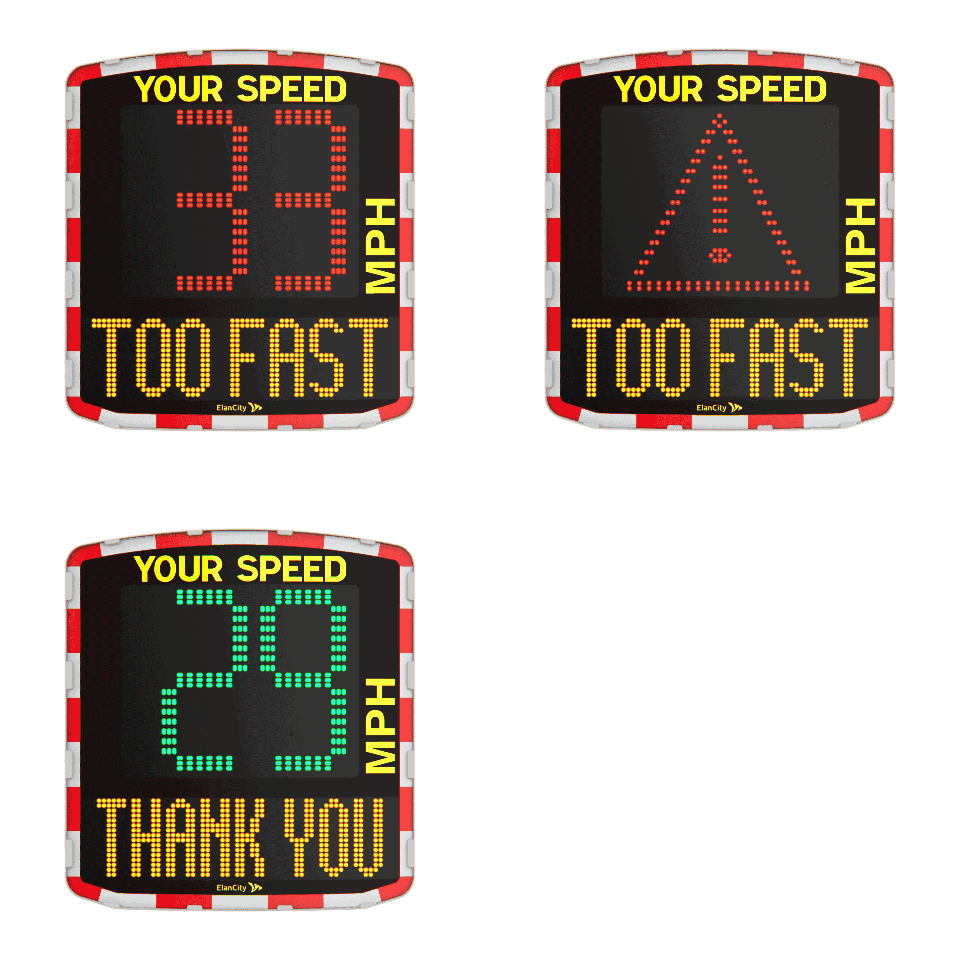
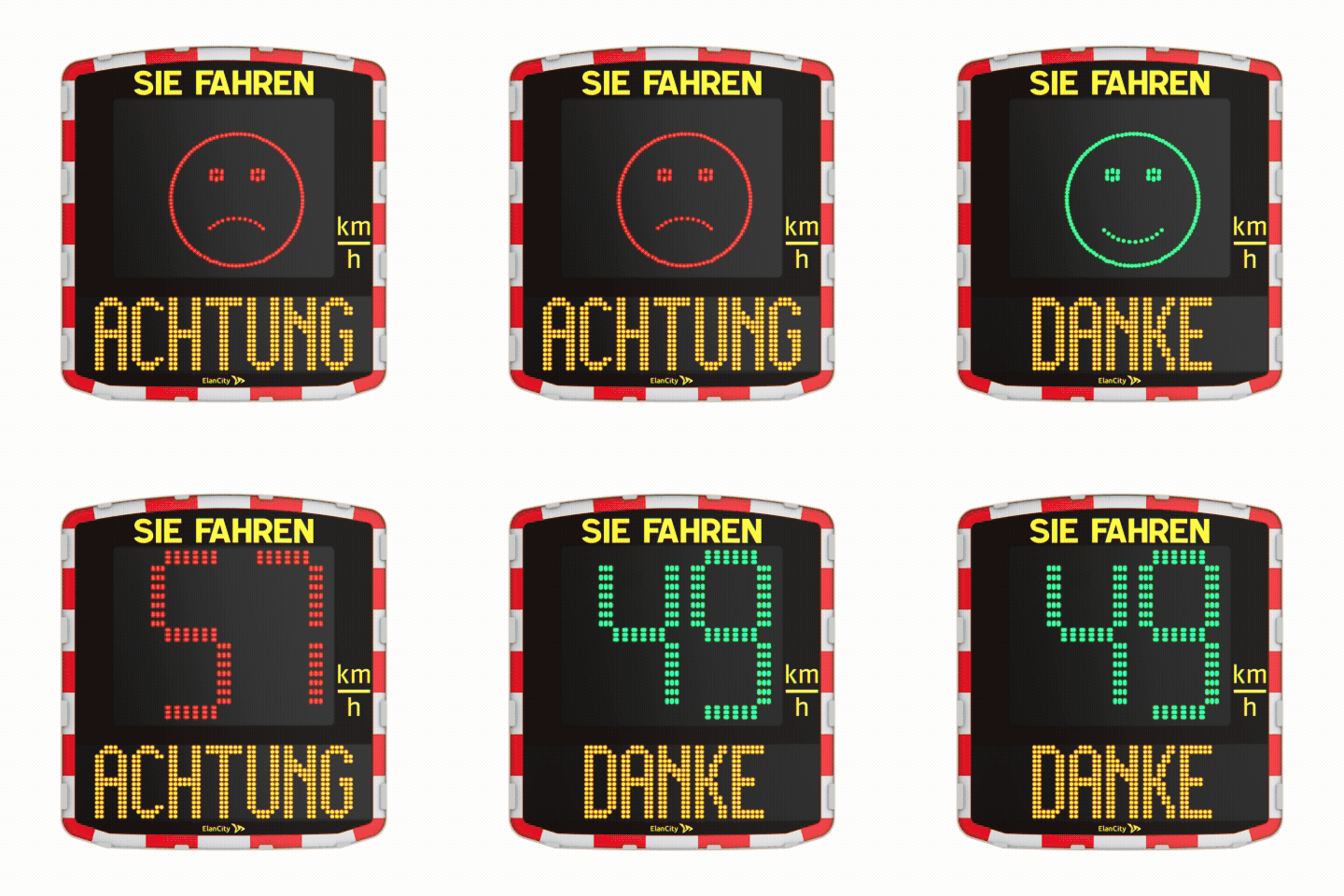
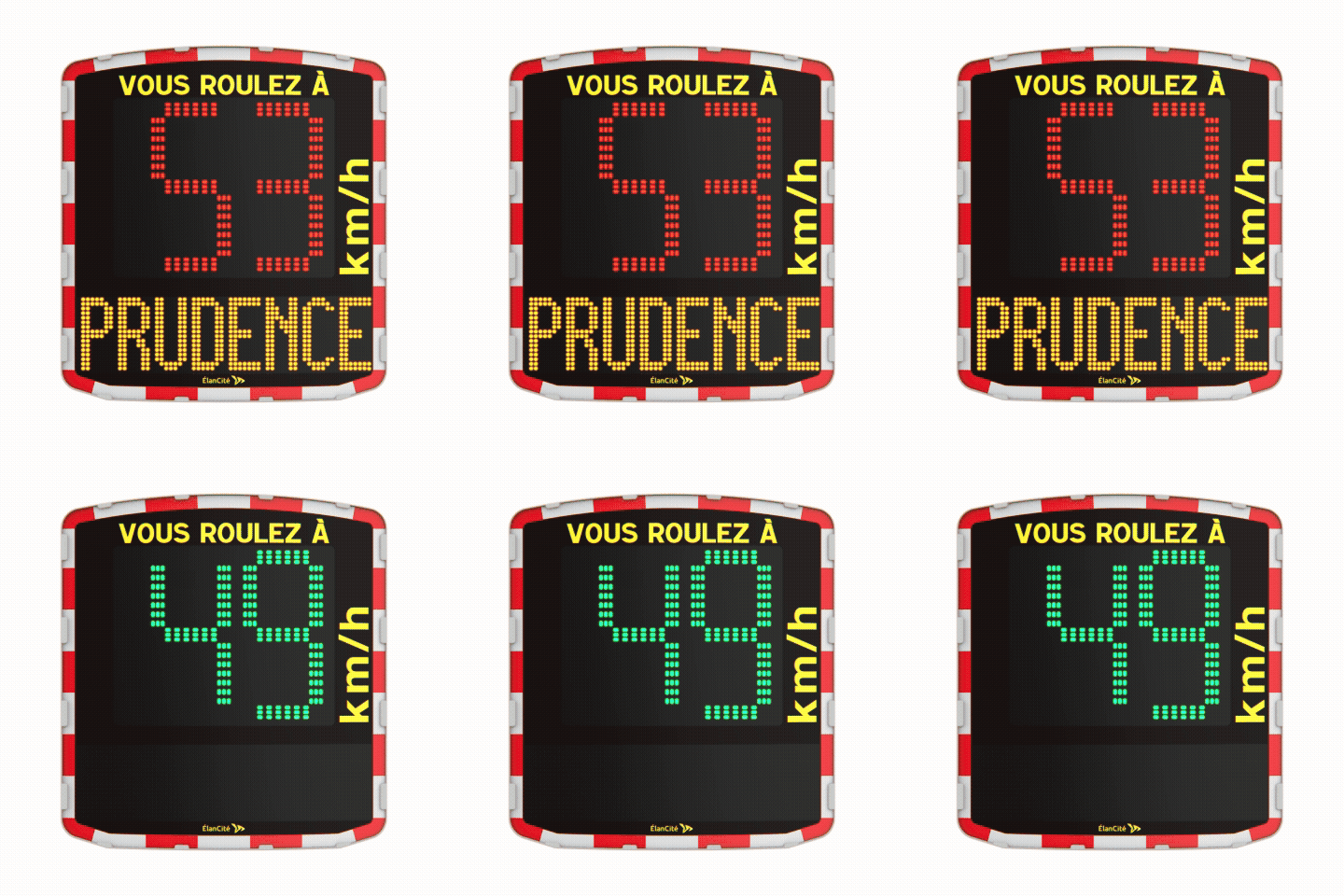
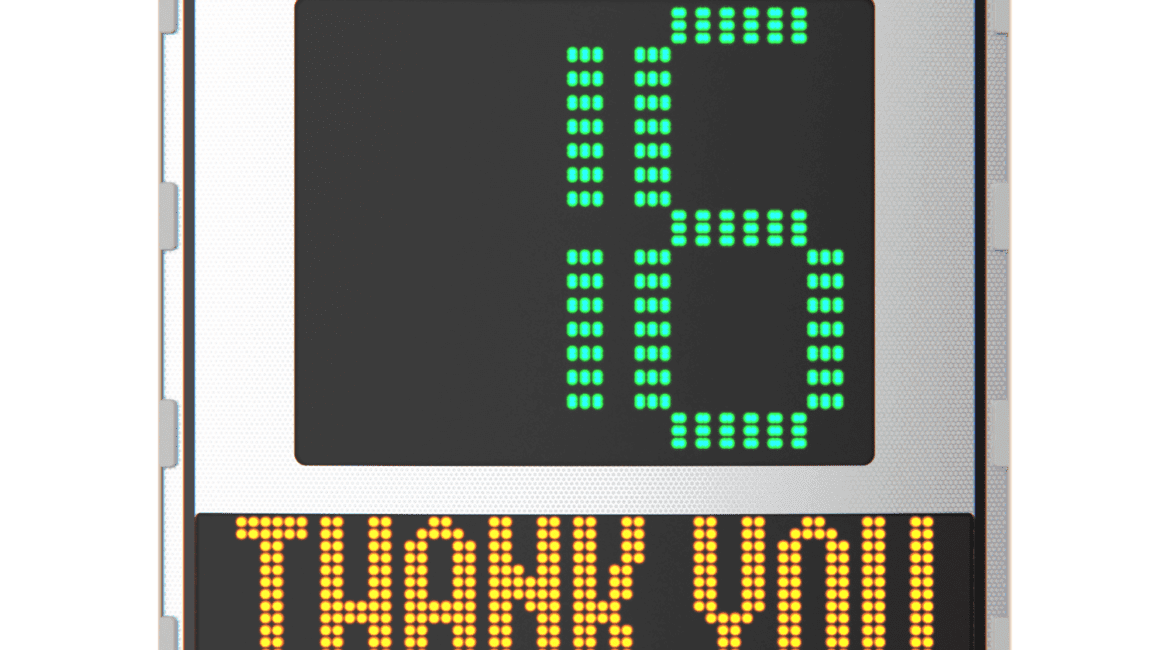
Using the Doppler effect, radar speed signs emit radio waves that reflect off moving vehicles. The system calculates speed from the frequency shift and displays it instantly on an LED screen. Modern signs can distinguish speeding vehicles by changing number colors (e.g., red for speeding) or showing alerts like “SLOW DOWN.” These devices are informational only, not for issuing fines.
Radar speed signs are often installed in school zones, residential neighborhoods, sharp curves, and work zones. For municipalities seeking innovative traffic solutions, evolis radar speed signs provide customizable options tailored to diverse settings. They can be permanently mounted or portable for flexible deployment. Over time, these signs help normalize safer speeds and reduce high-speed outliers, creating a safer environment for all road users.
Radar speed signs offer several compelling advantages over traditional traffic measures. Their primary strength lies in their ability to reduce vehicle speeds without altering road geometry or relying solely on law enforcement presence. Studies across school zones, residential streets, and work zones show consistent reductions in average speeds, often in the range of 5 to 10 mph, with some locations reporting even greater decreases.
These signs also improve pedestrian safety, as slower speeds significantly reduce the likelihood of severe injuries or fatalities in the event of collisions.
Another key advantage is their non-punitive nature. Unlike speed cameras that issue fines, radar speed signs provide real-time feedback, nudging drivers toward self-correction and voluntary compliance. This “mirror effect” can be especially effective in high-risk areas such as near schools, playgrounds, construction zones, and busy intersections.
Many modern units also collect traffic data—such as vehicle counts, peak-hour speeds, and recurring speed violations—enabling planners and law enforcement to make evidence-based decisions about where to deploy additional safety measures or enforcement. Moreover, radar speed signs are generally easier and less expensive to install than permanent structural changes like roundabouts or raised intersections, and they can often be deployed quickly in response to community complaints or emerging crash patterns.
Despite these benefits, radar speed signs are not without limitations. Their effectiveness can diminish over time if drivers become accustomed to the display or begin to ignore it, leading to a partial return to baseline speeds after several months.
Some research indicates that the most pronounced speed reductions occur shortly after installation and may gradually erode, especially if the sign remains in the same location indefinitely. The impact also depends heavily on placement; signs positioned too close to conflict points, poorly lit, or obscured by vegetation may offer insufficient reaction time for drivers to adjust their speed safely.
The behavioral impact of radar speed signs stems largely from immediate feedback and social-norm cues. When a driver sees their own speed displayed in bright LED digits, the sign acts as a personal mirror, making abstract speed limits concrete and harder to ignore.
This visual prompt can briefly interrupt automatic driving behavior, prompting even habitual speeders to adjust their speed, at least in the immediate vicinity of the sign. Field tests have shown that a substantial proportion of drivers who exceed the limit will slow down when confronted with a radar speed display, with studies reporting reductions most pronounced among “super speeders” traveling significantly above the posted limit.
However, the behavioral effect is often localized and may not translate into broader, long-term habit change. Drivers may resume higher speeds shortly beyond the sign, particularly if there are no other cues or enforcement nearby. The psychological impact is also weaker for drivers who are highly distracted, aggressive, or deliberately trying to speed.
In some settings, communities have reported that the novelty of the sign wears off, and the percentage of speed reductions declines over time. To counter this, transportation agencies sometimes rotate or temporarily redeploy signs to different locations, which can re-engage driver attention and reinforce the norm of compliance.
From a cost-effectiveness standpoint, radar speed signs are generally considered a low-maintenance, one-time investment with long-term benefits. Compared with physical traffic calming measures such as speed humps, raised crosswalks, or intersection redesigns, radar signs require relatively little civil work and minimal ongoing administrative costs. Many systems are designed for easy installation, often using standard roadside mounting equipment and either grid power or solar panels, which can greatly reduce operating expenses in remote locations.
Over time, the combination of reduced crashes, lower enforcement burdens, and improved safety can offset the initial purchase price, making these signs a cost-efficient option for many municipalities and private property owners.
Maintenance requirements are typically modest but not negligible. Solar-powered units need periodic inspection of battery health and panel cleanliness, while grid-powered signs must be checked for electrical integrity and secure mounting.
LED displays may require occasional replacement of modules or power supplies, and the radar hardware should be calibrated periodically to ensure accurate speed readings. In some climates, snow, dust, or vandalism can increase upkeep.
Despite these needs, most operators report that radar speed signs demand far less labor and disruption than alternative speed-management strategies, especially when data-logging and remote monitoring features are included, which can further reduce the need for manual traffic surveys and enforcement patrols.
En conclusion, la solution EVOLIS se positionne clairement comme une référence incontournable dans le domaine de la gestion documentaire et de la transformation numérique des organisations. Grâce à des fonctionnalités robustes, une intégration transparente et une prise en main intuitive, elle optimise la productivité, renforce la sécurité et simplifie les workflows. Adopter EVOLIS, c’est faire le choix d’une solution innovante et fiable pour relever les défis actuels et futurs. N’attendez plus : passez à l’action dès aujourd’hui et transformez vos processus pour atteindre une performance durable.
Radar speed signs can reduce speeds, but speed humps usually force a larger and more immediate slowdown because drivers must physically slow down. For pure speed reduction, speed humps are generally more effective. However, radar signs are less disruptive and work best as feedback devices.
Radar speed signs work best on straight, free-flowing roads in speed-transition areas like school zones, residential streets, and neighborhood collectors. They are particularly effective where posted limits are 40 mph or less. However, they are less effective on higher-speed roads and in curves.
Radar speed signs typically reduce driver speeds by about 1 to 11 mph. Many studies report average reductions of 3 to 7 mph, which translates to roughly 10% to 20% speed reduction.
Yes, radar speed signs are generally more effective when paired with visible enforcement or other calming measures. The NHTSA notes that enforcement presence can enhance compliance, and studies show that combined treatments can reduce speeds more effectively than signs alone.